Claude Code and Codex CLI are brilliant for interactive software development. But agents do more than write code — they research, orchestrate, automate, and run unattended. Meerkat takes a different approach: SDK-first, stable APIs, modular Rust architecture designed for control, performance, and reliability.
Library-first. Modular by design. Multi-provider LLMs, persistent sessions, tool dispatch with MCP, semantic memory, skills, hooks — pick the modules you need, skip the ones you don't. Orchestrate agent teams with mobs, package them as portable mobpacks, and deploy anywhere: CLI, REST, cloud, or browser via WASM.
Autonomous agent teams running entirely in your browser. No backend, no containers — just WebAssembly and live LLM calls.
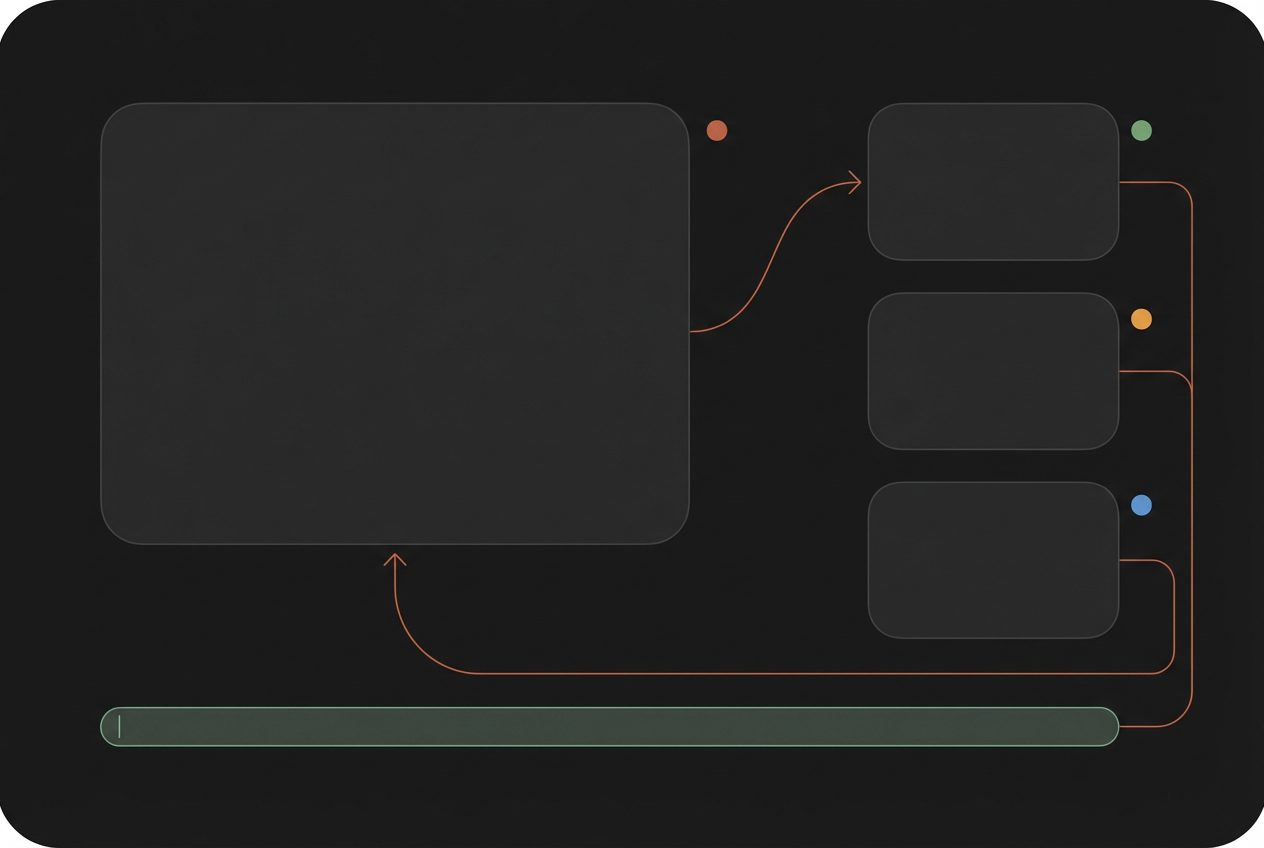 WASM + WebCM
A 4-agent coding mob (orchestrator, planner, coder, reviewer) with access to a sandboxed Alpine Linux VM running entirely in WebAssembly. Give it a task and watch the team build software.
4 agents · Linux VM · multi-provider · real shell access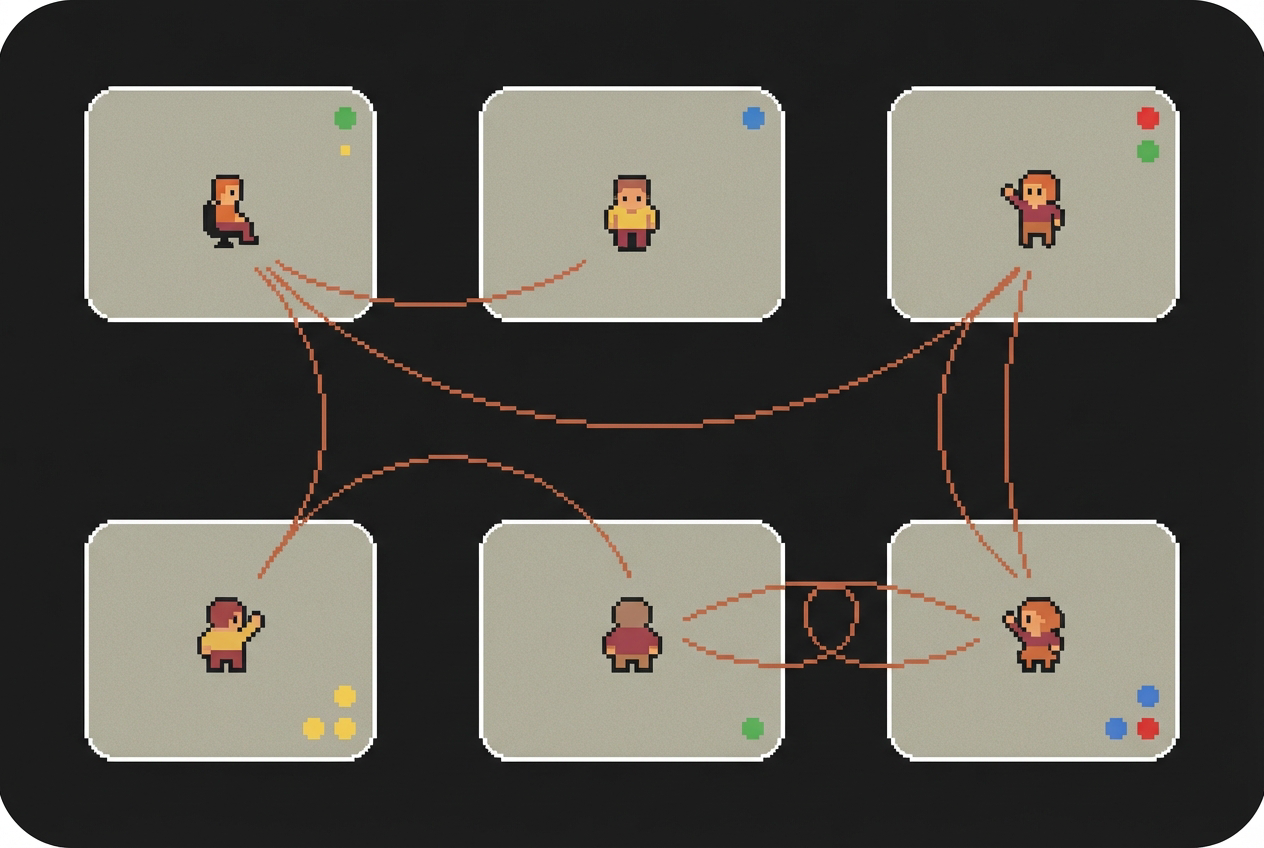 WASM + Mobs
10 autonomous agents in a pixel-art office. Mail arrives, gets triaged, routed to departments, escalated through approval gates, and archived as structured knowledge — all through peer-to-peer comms.
10 agents · event routing · approval gates · knowledge graph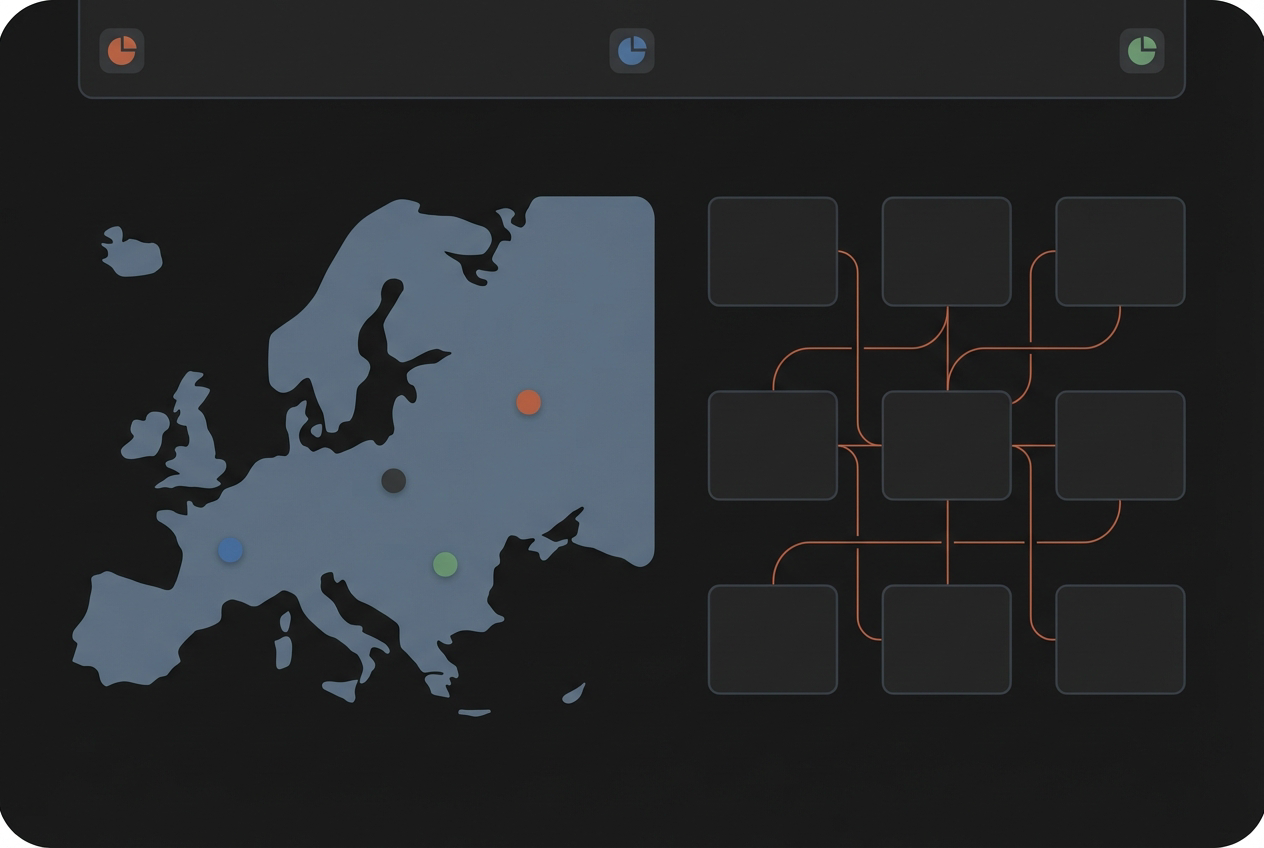 WASM + Mobs
Three European powers contest 12 territories. Each faction deploys 3 autonomous agents (planner, operator, ambassador) that strategize, negotiate, and betray through real-time comms.
9 agents · 4 mobs · cross-mob comms · structured output"Define a team in TOML, deploy it with one command. No YAML pipelines, no container orchestrators."
"One .mobpack runs everywhere — native binary, browser, cloud. Same checkpoint format."
"Full agent stack in the browser at 1MB. Start a mob in Chrome, resume it on a server."
Meerkat ships with state-of-the-art agent capabilities out of the box. Every feature is a module — use them together for a full-stack agent platform, or cherry-pick the pieces that fit your architecture.
Anthropic, OpenAI, and Gemini through a single AgentLlmClient trait. Switch models by changing one config line. Streaming built in for all providers.
Create, turn, resume, archive. Sessions survive restarts. Context compaction keeps them within budget. Full lifecycle management across every surface.
Built-in tools, shell execution, and native MCP router for connecting external servers. Add tools with rkat mcp add and they're available instantly.
Domain knowledge from filesystem, git, HTTP, or embedded sources. Agents load skills on demand via /skill-ref syntax. No prompt bloat — inject what you need.
HNSW vector indexing backed by redb. Cross-session knowledge retrieval. Agents remember what they learned without re-reading everything.
Spawn, fork, and coordinate child agents. Budget-isolated execution with encrypted peer-to-peer messaging. Hierarchical agent trees from a single entry point.
Multi-agent orchestration with profiles, wiring graphs, and DAG-based flows. Ed25519-signed peer messaging. Define a team in TOML, deploy with one command.
Portable deployment artifacts. A compiler pipeline: definition → .mobpack → interpret, embed, compile, or target WASM. Signed, verified, deterministic.
Full agent stack compiled to wasm32 for the browser. Same engine, same mobs, same checkpoint format. Start in the browser, resume natively.
One agent pipeline powers every surface. Embed Meerkat in your Rust binary, call it from Python or TypeScript, drive it over REST, or wire it into your IDE. Adding a new surface is just another adapter.
Direct library API. AgentFactory::build_agent(). Zero overhead, full control.
Shell commands for developer workflows and scripting. rkat run, rkat resume.
HTTP/JSON for web services and microservices. Full streaming via SSE.
Stdio server for IDE integration. Stateful sessions with zero reconstruction overhead.
Expose Meerkat as tools for other LLMs. meerkat_run and meerkat_resume.
Async Python over RPC. pip install meerkat-sdk. Full streaming support.
Node.js and TypeScript over RPC. npm install @meerkat/sdk.